


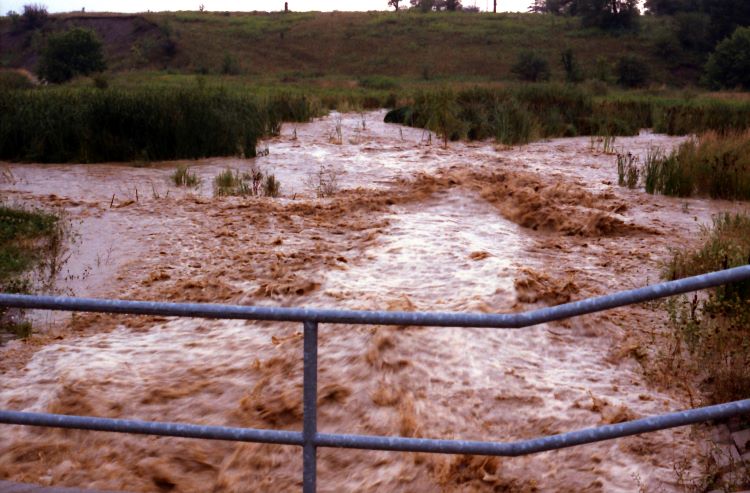
The Etobicoke Creek watershed is highly urbanized with large amounts of hard surfaces and low amounts of natural cover compared with other watersheds in the greater Toronto area. This contributes to issues with flooding, erosion, and negative impacts to both animal and plant habitat. The added stress of further urbanization and climate change impacts will further degrade watershed health unless immediate remediation and mitigation actions are taken.
In that context, the Toronto and Region Conservation Authority developed a new watershed plan for the Etobicoke Creek, (ECWP), that was recently approved by the TRCA Board and endorsed by the City of Brampton, Town of Caledon, City of Mississauga, Region of Peel and City of Toronto. The plan’s development was a collaborative activity of the above municipalities with input from First Nations/Indigenous communities and other stakeholder organizations including the Brampton Environmental Alliance.
The watershed plan was created to inform decision-making over the next 10 years related to land use and climate resiliency policies. The ECWP Vision is that, “the watershed be protected and restored to a cleaner, healthier, and more natural state, to sustain its waterways, ecosystems, and human communities“. The plan includes a management framework consisting of 3 goals, 8 objectives, 10 indicators and 36 actions.
Goal 1 – Achieve sustainable land use and infrastructure development patterns to improve watershed conditions and enhance climate resiliency.
Examples of Goal 1 actions include:
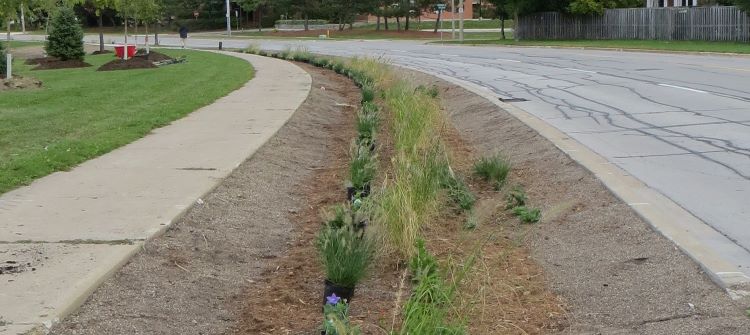
- Adopt green development policies and standards requiring new developments to utilize low impact development and green infrastructure that will reduce impacts of impervious cover,
- Include mitigation measures in the design of highway 413 to eliminate additional flood and erosion risk as well as protection of the Natural Heritage and Water Resource Systems including wildlife connectivity,
- Reduce chlorides entering the watershed through de-icing best practice on public property and through salt management education for private property,
- Update stormwater management criteria to focus on retention and filtration through the use of low impact development (LID) and green infrastructure,
Goal 2 – Protect, enhance, and restore the areas and features that comprise the Water Resource System (including aquatic habitat) for ecosystem resilience and sustainability.
Examples of Goal 2 actions include:
- Use “Evaluation, Classification and Management of Headwater Drainage Features Guidelines” for planning approvals in the Headwaters subwatershed,
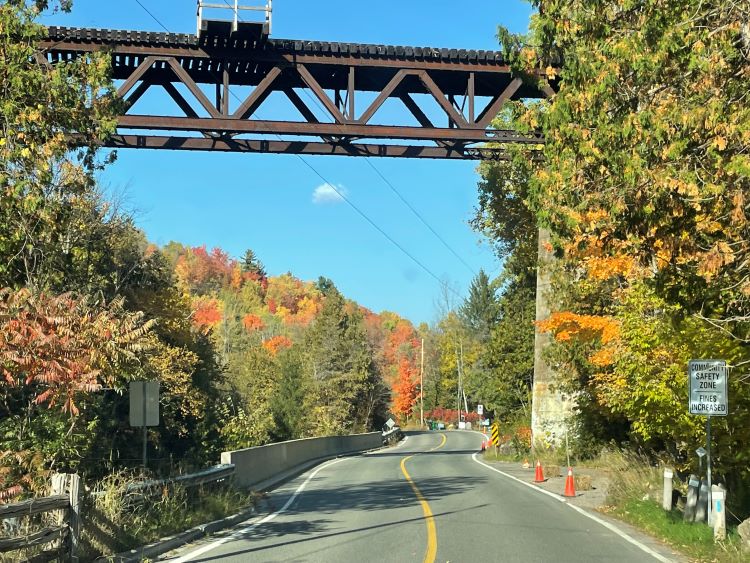
- Removal of identified priority barriers to fish movement,
- Identify high risk spill areas and implement effective spill prevention and contingency plans,
- Educate commercial and industrial property owners on maintenance of oil and grit separators and other pollution control infrastructure,
- Participate in research initiatives to identify sources of microplastics and chemicals of concern for management and removal,
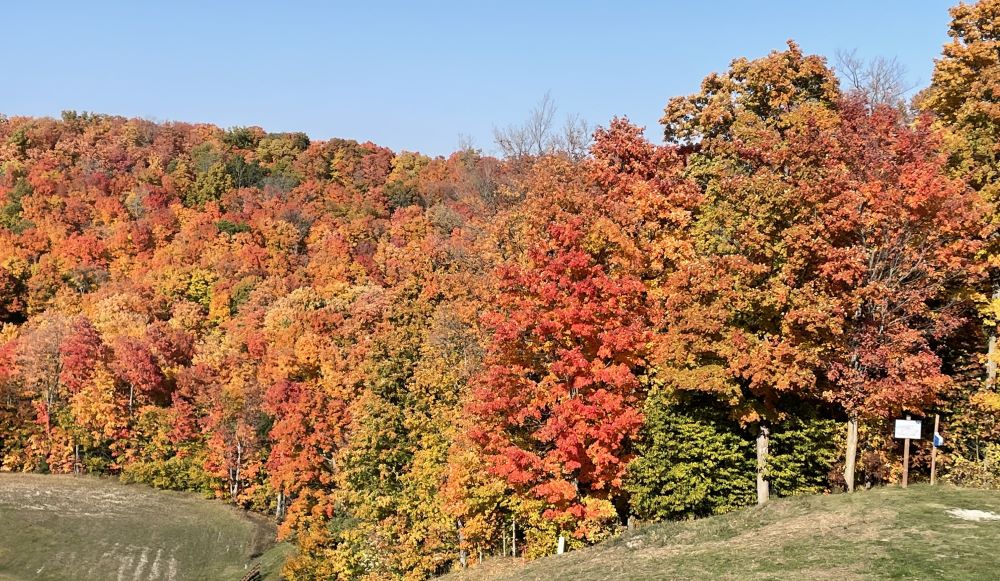
Goal 3 – Protect, enhance, and restore the Natural Heritage System and urban forest within the watershed to improve ecosystem resilience and sustainability.
Examples of Goal 3 actions include:
- Increase forest cover to at least 14% of total watershed area, through strategic tree planting,
- Increase wetland cover to at least 3% of total watershed area,
- Increase meadow cover to at least 5% of total watershed area,
- Create a connected and safe active recreation trail network from Lake Ontario to the Headwaters and to neighbouring watersheds while minimizing impacts to the Natural Heritage System (NHS) through
- proper trail maintenance and signage
- Education on the importance of NHS protection adjacent to trails,
- Promoting community stewardship
- Improve wildlife passage at priority road crossings
- Municipal partners to include green development standards including green roofs, bird safe windows, habitat restoration etc.
Realizing the vision will require collaborative implementation of all aspects of the management framework. An Implementation Steering Committee will be responsible for development of a detailed implementation, tracking and reporting plan to hold the TRCA and the municipalities accountable for plan implementation.